
GPLRC Logo
About Us
Archive
Living Library
Programs
Feedback

The Archive

A living library of Gestalt Practice — talks, recordings, and writings, gathered by lineage and theme.

Browse the full library →

Start Here

Intro to the ArchiveGestalt PracticeRichard Price

Branches

Gestalt Awareness PracticeRelational Gestalt PracticeGuided PracticesOpen SeatChildhood and Human DevelopmentContact and CommunicationThe BodyDreamsLiving and DyingNext Generation

Roots

Alternatives to Traditional PsychiatryMetaphysical and ShamanicSomaticPsychedelicPsychologySpiritual TraditionsEclectic
Donate

Let's Connect

CONTACT
Library TourAsk the LibrarianStoreWays to Give

Gestalt Practice Library and Resource Center is a 501(c)(3) EIN: 93-1942117

We acknowledge that the land for which this library is a custodian is unceded territory of the Ohlone people. We honor the enduring presence of Indigenous communities. If you’d like to know the native provenance of the land where you live, visit Native Land Digital.


© 2026 GPLRC. All rights reserved | Cookies, Anti-Spam, Privacy, User agreement, Legal Notice, and Responsible Disclosure

Friedrich "Fritz" Perls
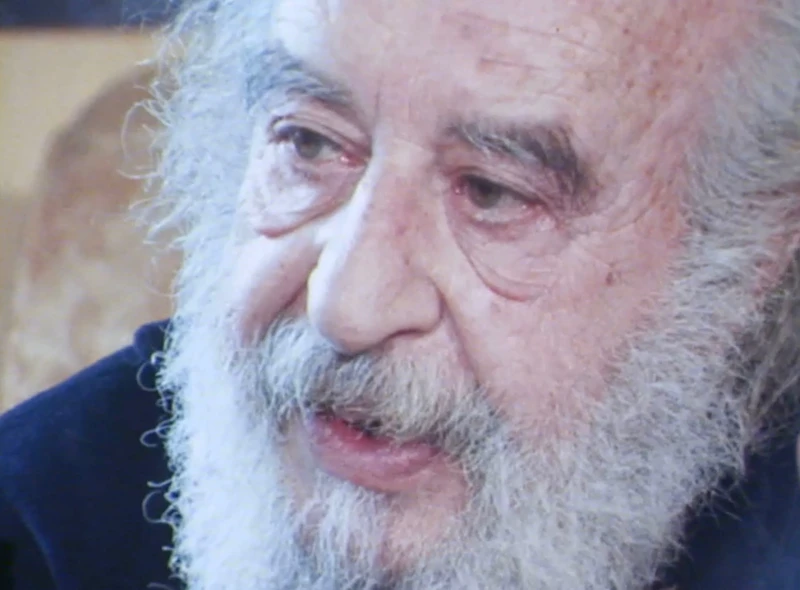
Description

You have to encounter, face your difficulties, be in contact with what's going on with yourself and the other. And via a little bit of honesty, you can create a lot of happiness. ~Fritz Perls

Fritz Perls was a German-born psychiatrist and psychotherapist who, with Laura Perls and Paul Goodman, developed Gestalt Therapy—an experiential, present-centered approach that favors direct awareness over analysis. After early training in Europe, he emigrated to South Africa in the 1930s (publishing Ego, Hunger and Aggression), then to New York in the late 1940s, where the work took fuller shape.

In the mid-1960s Fritz became a resident teacher at Esalen Institute in Big Sur. His live “hot-seat” demonstrations and plainspoken style strongly influenced the culture there. Richard “Dick” Price worked closely with Fritz and evolved his own path, which he called gestalt practice—emphasizing awareness, contact, and consent.

Late in life Fritz moved to Vancouver Island, creating a training community near Lake Cowichan. Many sessions from that period were filmed and have become a key historical record of the work. He died in 1970, leaving a vivid legacy carried forward by students and colleagues at Esalen and beyond.

Additional writings to explore:

  • Fritz Perls on Aggression

Explore the Archive

Loading…

Additional Resources coming soon.